
Anti-Phishing Tools have become an essential part of enterprise cybersecurity strategies in 2025. With phishing attacks growing more sophisticated and targeting employees at every level, traditional security measures are no longer enough. Enterprises now require advanced solutions that leverage artificial intelligence, real-time detection, and seamless integration with existing security infrastructure to stop threats before they cause financial loss or reputational damage. In this article, we will explore the top 10 anti-phishing tools designed specifically for enterprises, highlighting their features, benefits, and how they can help protect your business from today’s most dangerous cyber threats.
Why Enterprises Need Anti-Phishing Tools
Financial and Reputational Risks of Phishing Attacks
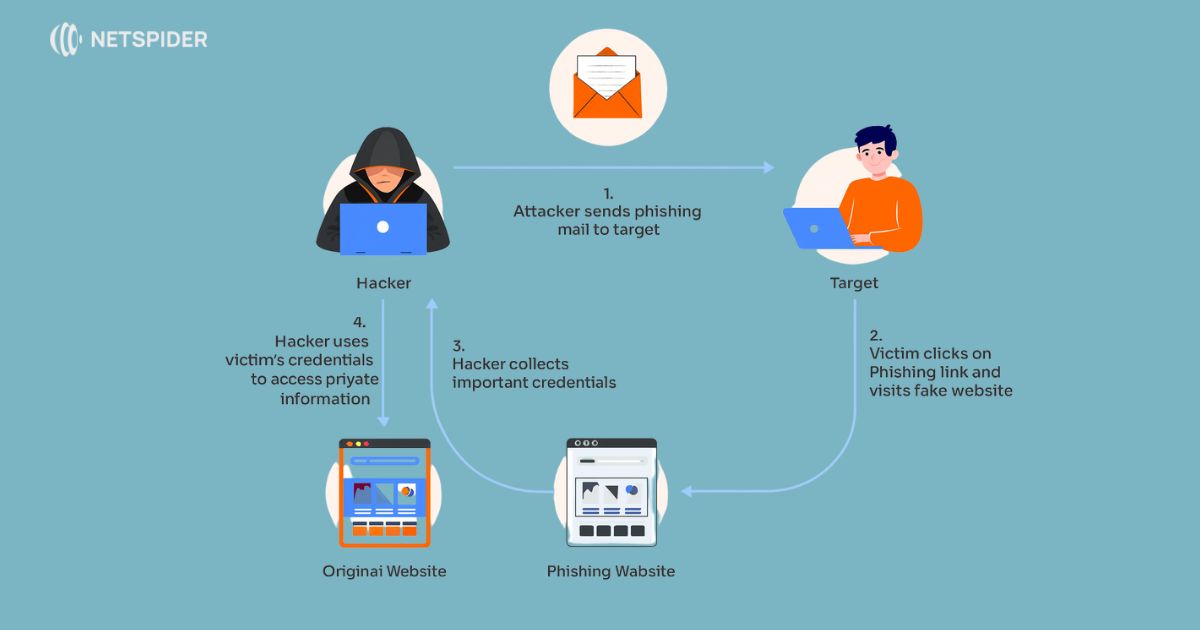
Phishing is no longer a simple scam—it’s a multi-billion-dollar cybercrime industry. For enterprises, a single successful phishing email can lead to stolen credentials, unauthorized fund transfers, ransomware infections, or massive data breaches. The financial impact often goes far beyond the immediate loss of money; it can include regulatory fines, legal costs, and expensive recovery processes. Equally damaging is the reputational harm. Customers lose trust in a brand that cannot protect their data, and once that trust is broken, rebuilding it takes years. This is why investing in advanced Anti-Phishing Tools is critical for enterprises that want to safeguard both their balance sheets and their brand reputation.
Examples of Recent Enterprise-Level Phishing Incidents
In recent years, several well-known enterprises have fallen victim to large-scale phishing campaigns. For example, global corporations in the financial and healthcare sectors have reported phishing emails that bypassed traditional defenses and tricked employees into revealing sensitive login details. In some cases, attackers used sophisticated spear-phishing techniques, impersonating executives or trusted vendors to gain access to critical systems. These incidents underline the reality: even the biggest companies, with vast IT resources, are vulnerable without the right Anti-Phishing Tools in place. Such tools are designed to detect deceptive links, block fraudulent emails, and identify malicious patterns before employees can fall into the trap.
Why Traditional Email Filters and Antivirus Are Not Enough
Traditional email filters and antivirus software were never designed to stop the highly targeted and evolving phishing attacks enterprises face today. Standard filters may catch spam or known malicious attachments, but they struggle with zero-day phishing campaigns that use social engineering or carefully crafted lookalike domains. Antivirus software, on the other hand, is mainly focused on detecting malware, not preventing credential theft or business email compromise. Modern Anti-Phishing Tools go beyond these limitations by applying machine learning, real-time threat intelligence, and behavioral analysis to detect suspicious activity. They also integrate seamlessly with enterprise systems, providing visibility and control that traditional defenses simply cannot match.
Key Features to Look for in Anti-Phishing Software
Real-Time Email Scanning & Threat Detection
The most effective Anti-Phishing Tools provide real-time scanning of incoming emails to detect threats before they reach employee inboxes. Phishing attacks often rely on speed, exploiting the short window before a malicious domain or email address is blacklisted. Real-time detection ensures suspicious emails are quarantined or flagged immediately, preventing employees from clicking harmful links or downloading infected attachments.
AI & Machine Learning for Identifying Suspicious Patterns
Modern phishing campaigns are increasingly sophisticated, often bypassing traditional filters by mimicking trusted brands or executives. Advanced Anti-Phishing Tools use AI and machine learning algorithms to recognize unusual patterns, detect impersonation attempts, and adapt to new attack techniques. By learning from millions of phishing attempts worldwide, these tools continuously improve their accuracy and minimize false positives.
Integration with Enterprise Security Stacks (SIEM, SOC)
For large organizations, it’s not enough to stop phishing emails at the inbox level. Anti-Phishing Tools must integrate seamlessly with broader enterprise security stacks such as Security Information and Event Management (SIEM) systems and Security Operations Centers (SOC). This integration enables centralized monitoring, incident response, and cross-platform threat intelligence, ensuring phishing attempts are analyzed within the wider cybersecurity context.
Reporting and User Awareness Features
Employees remain the last line of defense against phishing. That’s why the best Anti-Phishing Tools include built-in reporting dashboards and awareness training modules. These features allow employees to report suspicious emails directly and learn how to recognize phishing attempts. In turn, security teams gain valuable insights into attack patterns, making it easier to strengthen defenses over time.
Scalability and Cloud Support
As enterprises grow, their cybersecurity needs evolve. The ideal Anti-Phishing Tools must be scalable, capable of protecting thousands of users across multiple locations without compromising performance. Cloud-native solutions are particularly effective, as they offer flexible deployment, automatic updates, and seamless integration with cloud-based productivity platforms like Microsoft 365 or Google Workspace. This ensures consistent protection whether employees are in the office or working remotely.
Top 10 Enterprise Anti-Phishing Tools
1. Proofpoint Email Protection
Short Description:
Proofpoint is one of the leading enterprise-grade Anti-Phishing Tools, trusted by global companies for its advanced email security and threat intelligence.
Key Features:
- Real-time email filtering and URL sandboxing
- Advanced impersonation protection
- Threat intelligence from global attack data
- Automated incident response
Best For: Large enterprises and regulated industries (finance, healthcare).
Pros & Cons:
Excellent detection accuracy
Strong global threat intelligence
Can be expensive for SMEs
2. Mimecast Email Security
Short Description:
Mimecast offers cloud-based email security with a strong focus on phishing, spear-phishing, and ransomware protection.
Key Features:
- AI-driven phishing detection
- Advanced attachment & URL scanning
- Integrated awareness training for employees
- Real-time monitoring dashboard
Best For: Enterprises with Microsoft 365 and Google Workspace environments.
Pros & Cons:
Easy cloud integration
Strong training features
Learning curve for full customization
3. Microsoft Defender for Office 365
Short Description:
Microsoft Defender is natively integrated with Office 365, offering advanced Anti-Phishing Tools for enterprises already using Microsoft’s ecosystem.
Key Features:
- AI-driven phishing and malware protection
- Safe Links and Safe Attachments
- Automated incident investigation
- Deep integration with Microsoft ecosystem
Best For: Businesses using Microsoft Office 365.
Pros & Cons:
Seamless integration for Microsoft users
Strong AI-based detection
Less effective outside Microsoft ecosystem
4. Barracuda Email Protection
Short Description:
Barracuda provides a complete email security suite designed to protect against phishing, ransomware, and account takeover.
Key Features:
- AI-based phishing detection
- Account takeover protection
- Domain fraud detection (DMARC support)
- Cloud-based threat intelligence
Best For: Mid-sized to large enterprises with diverse email platforms.
Pros & Cons:
Affordable compared to some competitors
Strong account takeover defense
Interface can feel outdated
5. Cisco Secure Email (Formerly IronPort)
Short Description:
Cisco Secure Email is an enterprise-grade solution offering advanced phishing protection as part of Cisco’s broader cybersecurity portfolio.
Key Features:
- Advanced spam and phishing filters
- Machine learning-based detection
- Integration with Cisco security stack (Firepower, Umbrella)
- Real-time threat intelligence
Best For: Enterprises already using Cisco infrastructure.
Pros & Cons:
Strong integration with Cisco products
Scalable for large organizations
Complex setup for smaller IT teams
6. Cofense PhishMe
Short Description:
Cofense focuses on human-driven defense by combining phishing detection with awareness training and employee reporting tools.
Key Features:
- Phishing simulation campaigns
- Real-time employee reporting
- AI-driven phishing detection
- Centralized incident response platform
Best For: Enterprises prioritizing employee awareness and training.
Pros & Cons:
Excellent training & awareness features
Employee-first approach
Not as strong on advanced AI filtering
7. Ironscales
Short Description:
Ironscales is an AI-powered email security platform designed for fast deployment and real-time phishing detection.
Key Features:
- Self-learning AI for phishing detection
- Mobile incident response app
- Automated phishing simulation & training
- Cloud-native deployment
Best For: SMEs and enterprises seeking quick, cloud-based protection.
Pros & Cons:
Easy to deploy
Strong AI and automation features
Limited advanced forensic tools
8. Area 1 Security (Now Part of Cloudflare)
Short Description:
Area 1 provides predictive phishing defense by crawling the web and stopping phishing campaigns before they launch.
Key Features:
- Predictive threat intelligence
- Cloud-native email protection
- Real-time web crawling to identify phishing campaigns
- Seamless integration with cloud email
Best For: Cloud-first enterprises and distributed teams.
Pros & Cons:
Unique predictive approach
Strong cloud integration
Smaller feature set compared to larger vendors
9. GreatHorn
Short Description:
GreatHorn offers AI-driven email security designed for speed and simplicity, with strong emphasis on spear-phishing protection.
Key Features:
- Real-time phishing detection
- Executive impersonation protection
- Automated incident response workflows
- Cloud-based deployment
Best For: Businesses seeking simple but powerful phishing protection.
Pros & Cons:
Fast deployment
Strong spear-phishing defense
Limited advanced reporting features
10. Trend Micro Cloud App Security
Short Description:
Trend Micro extends its cybersecurity expertise into cloud email platforms, offering powerful Anti-Phishing Tools.
Key Features:
- Advanced AI-based phishing detection
- Attachment sandboxing
- Seamless integration with Microsoft 365 and Google Workspace
- Data loss prevention (DLP) features
Comparison of Tools
While all Anti-Phishing Tools share the common goal of protecting enterprises from phishing attacks, they differ significantly in terms of pricing, scalability, and unique features. High-end solutions like Proofpoint and Cisco Secure Email are ideal for large enterprises with big budgets, offering advanced integrations and global threat intelligence but at a premium cost. Mid-range options such as Barracuda and Mimecast strike a balance between affordability and strong functionality, making them suitable for mid-sized organizations. For businesses already embedded in specific ecosystems, Microsoft Defender for Office 365 and Trend Micro Cloud App Security provide seamless integration with Microsoft and Google platforms. On the other hand, innovative vendors like Ironscales and GreatHorn focus on ease of deployment and AI-powered automation, making them attractive to SMEs seeking fast, cloud-based protection. Finally, Cofense stands out for its employee-focused approach with phishing simulations and training, while Area 1 Security (Cloudflare) offers a predictive model, identifying phishing campaigns before they fully launch.
How to Choose the Right Anti-Phishing Solution for Your Enterprise
Choosing the right Anti-Phishing Tools is not a one-size-fits-all decision. Every enterprise has unique needs depending on its size, industry, and existing security infrastructure. Here are the key factors to consider:
Company Size
Large enterprises with thousands of employees often require advanced, enterprise-grade solutions like Proofpoint or Cisco Secure Email, which can scale globally and integrate with complex infrastructures. Small and medium-sized businesses (SMEs), however, may benefit more from lightweight, cloud-native solutions such as Ironscales or GreatHorn, which are easier to deploy and manage without a large IT team.
Budget
Pricing varies widely among Anti-Phishing Tools. Premium solutions deliver unmatched accuracy and global threat intelligence but come with higher subscription costs. Organizations with limited budgets should focus on mid-tier tools like Mimecast or Barracuda, which provide robust phishing protection at a more affordable price point.
Integration Needs
Enterprises already invested in platforms like Microsoft 365 or Google Workspace should consider tools that integrate seamlessly, such as Microsoft Defender for Office 365 or Trend Micro Cloud App Security. If your organization runs a Security Operations Center (SOC) or relies on SIEM platforms, choosing a tool with strong integration capabilities (like Proofpoint or Cisco) ensures smoother operations and centralized visibility.
Compliance Requirements
Highly regulated industries—such as finance, healthcare, and government—must adhere to strict compliance standards. In these cases, Anti-Phishing Tools that provide detailed reporting, audit trails, and compliance-ready features are essential. Proofpoint and Mimecast, for example, are known for their strong compliance support and in-depth reporting capabilities.
Best Practices Beyond Tools
Even with the most advanced Anti-Phishing Tools, enterprises cannot rely on technology alone. Cybercriminals are constantly refining their tactics, and employees remain the primary target. To build a truly resilient defense, organizations should combine technical solutions with strong security practices.
Employee Training & Awareness Programs
Human error is the most common entry point for phishing attacks. Regular employee training ensures staff can recognize suspicious emails, avoid clicking malicious links, and report threats quickly. Many enterprises combine awareness programs with built-in training features from their Anti-Phishing Tools, creating a culture of vigilance across the organization.
Multi-Factor Authentication (MFA)
Even if a phishing attempt successfully steals employee credentials, multi-factor authentication provides an extra layer of protection. By requiring a second factor—such as a mobile app code, fingerprint, or hardware token—MFA makes it significantly harder for attackers to gain unauthorized access. This simple but powerful step is one of the most effective defenses against phishing-related account breaches.
Regular Phishing Simulation Exercises
Simulating phishing attacks within the enterprise environment helps test employees’ awareness and the effectiveness of existing defenses. These exercises identify weak points in user behavior and provide valuable data for refining training programs. Paired with Anti-Phishing Tools, simulations turn employees into proactive defenders rather than easy targets.
Conclusion
Phishing remains one of the most dangerous and costly threats enterprises face in today’s digital landscape. As attacks grow more sophisticated, relying on basic security measures is no longer enough. Implementing advanced Anti-Phishing Tools is a critical step toward protecting sensitive data, maintaining customer trust, and ensuring business continuity.
However, tools alone are not the full answer. The strongest defense comes from a combination of cutting-edge technology and well-informed employees. By pairing enterprise-grade anti-phishing solutions with employee training, multi-factor authentication, and regular phishing simulations, businesses can create a layered security strategy that significantly reduces risk.
In 2025 and beyond, enterprises that invest in both technical protection and human awareness will be the ones best equipped to defend against phishing threats. Now is the time to evaluate your defenses, adopt the right Anti-Phishing Tools, and empower your teams to stay one step ahead of cybercriminals.